
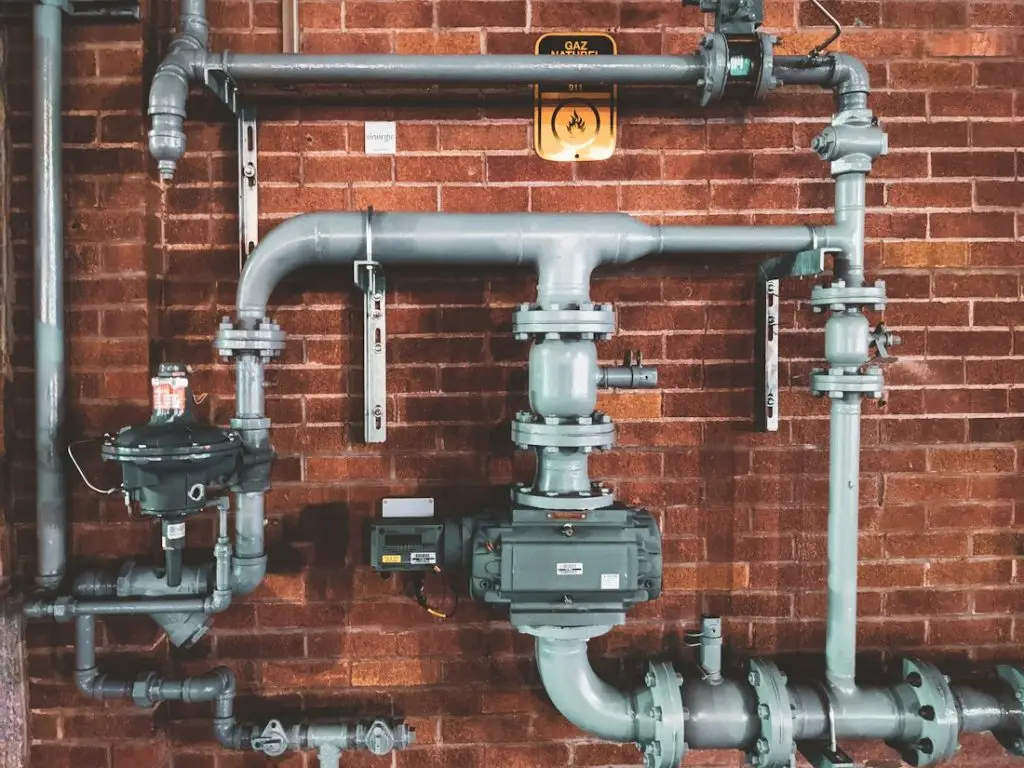
Every commercial building that connects to a public water supply has to keep that supply safe. Backflow happens when a pressure change pulls water backward through the pipes, so water from boilers, fire sprinklers, irrigation or kitchen equipment can flow into drinking water. Backflow prevention assemblies stop that, but only if they work.
Why testing is required
Backflow assemblies have internal checks, springs and seals that wear out over time. Because a failing device gives no visible sign, water suppliers require them to be tested by a licensed tester. Most Illinois water suppliers require testing at least once a year, plus after installation or repair. Check with your local water department for your exact schedule.
What a test involves
- A licensed tester connects a calibrated gauge to the assembly’s test ports.
- Each check valve and relief valve is tested to confirm it holds the required pressure.
- Water is shut off briefly, usually 15 to 30 minutes per device.
- Results are recorded and filed with the water supplier, and you receive a copy for your records.
Schedule testing for early morning or after hours so tenants, kitchens and guests are not affected by the short shut-off.
If a device fails
A failed test usually means worn rubber parts or debris in a check valve. Most assemblies can be rebuilt on the spot with a repair kit and retested the same day. Older or damaged devices may need replacement. Either way, the repair and passing retest are documented for the water supplier.
Managing testing across a portfolio
For property managers with several buildings, the hardest part is the calendar. Specialty Plumbing keeps a record of every device, sends reminders before due dates, and bundles testing with preventive maintenance visits. See our commercial backflow services or schedule testing.